Across the Water with CBD: A Pre-Travel Audit for Great Britain and Northern Ireland
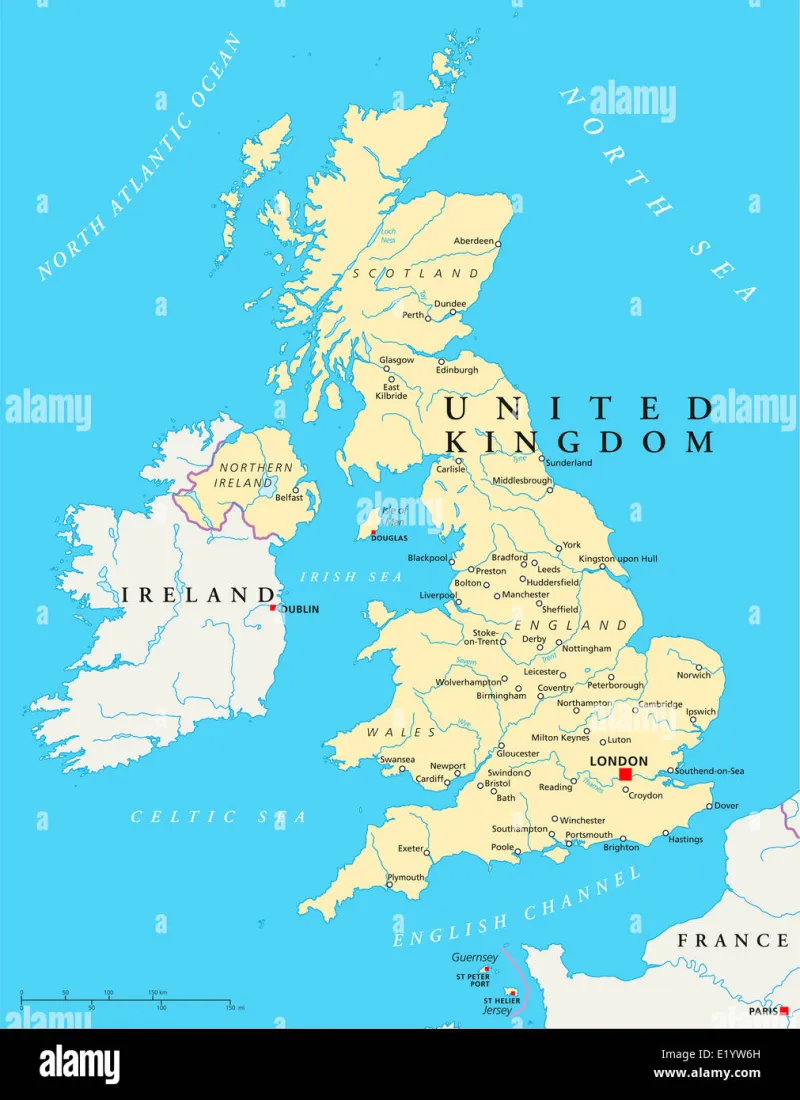
Travelling within the United Kingdom can feel reassuringly simple. For CBD consumers, however, the Irish Sea is a useful prompt to slow down. A product bought lawfully in England, Scotland or Wales is not automatically governed by a single, uniform set of travel expectations when the journey continues to Northern Ireland, and vice versa. The distinction is not a reason for alarm. It is a reason for preparation.
This audit is written for consumers, not lawyers. It does not substitute for legal advice, nor does it guarantee that a ferry operator, airline or security officer will accept a particular product. Its purpose is narrower and more practical: to help readers avoid the common error of assuming that a UK-wide product label means a UK-wide travel rule.
A UK-wide label is not a UK-wide travel rule
CBD products reach the market in several forms: oils and drops, capsules, balms, cosmetics and, in some cases, products positioned near food or medicinal categories. Each brings its own labelling and compliance considerations. A bottle may be sold across the UK, yet the practical questions at a port or airport concern the product in your bag, the evidence you can produce and the transport operator’s conditions of carriage.
That gap between product compliance and travel practice matters. Consumer advice can explain what a reputable retailer should provide. It cannot promise a uniform outcome at every terminal, check-in desk or security lane. Treat any blanket claim that “CBD is fine within the UK” as shorthand, not as a complete travel briefing.
Begin with the product, not the route
Before booking a foot passenger ticket or adding a cabin bag, review what you intend to carry. Is it a cosmetic oil, a food supplement-style product, or something supplied with medicinal framing? What cannabidiol content is stated, and what does the batch documentation say about THC and other cannabinoids? A credible certificate of analysis should relate to the batch code on the pack, not merely to a generic product name.
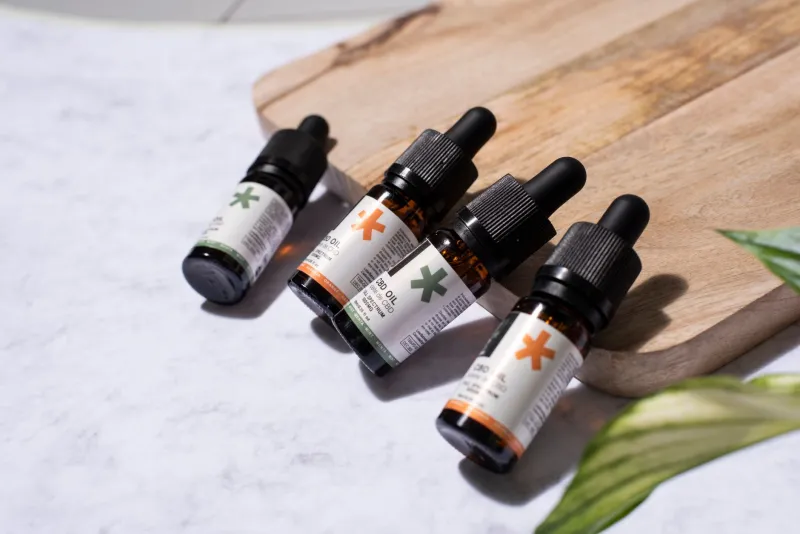
Original packaging is equally important. Decanting oil into an unmarked travel bottle may save space, but it removes the batch code, ingredient list, supplier details and directions for use. For a consumer travelling across the Irish Sea, that is a poor trade. Keep the retail pack intact, retain the outer carton where possible, and carry the batch certificate or a clear digital copy.
Quantity discipline beats guesswork
There is no sensible consumer strategy built on inventing a universal milligram limit for domestic travel. Requirements and operator policies can vary, and the category of product may alter the questions asked. A cautious traveller therefore carries only what is reasonably needed for the trip, keeps quantities modest and avoids treating a suitcase as a stockroom.
This is not a loophole-finding exercise. It is a documentation and proportionality exercise. A short break of three nights does not require a year’s supply. If several adults are travelling together, keep each person’s products with their own belongings rather than pooling everything in one bag. If a product is intended for regular use, a small notebook or phone note recording the routine can help explain why it is being carried.
Ferry crossings: ask before boarding
Routes such as Liverpool to Belfast, Holyhead to Dublin—where an onward journey may continue into Northern Ireland—and Cairnryan to Larne each involve operator procedures. Ferry companies may publish conditions of carriage covering restricted goods, dangerous goods and items carried in vehicles. These are commercial conditions as well as safety rules.
Check the operator’s current guidance before travel, and keep a copy of any written response if you have asked a specific question. Do not rely on a forum post from an earlier season. If you are travelling by car, remember that a bag left in the vehicle is still part of your journey. If you are a foot passenger, security or check-in staff may still inspect hand luggage.
Air travel: liquids, security and evidence
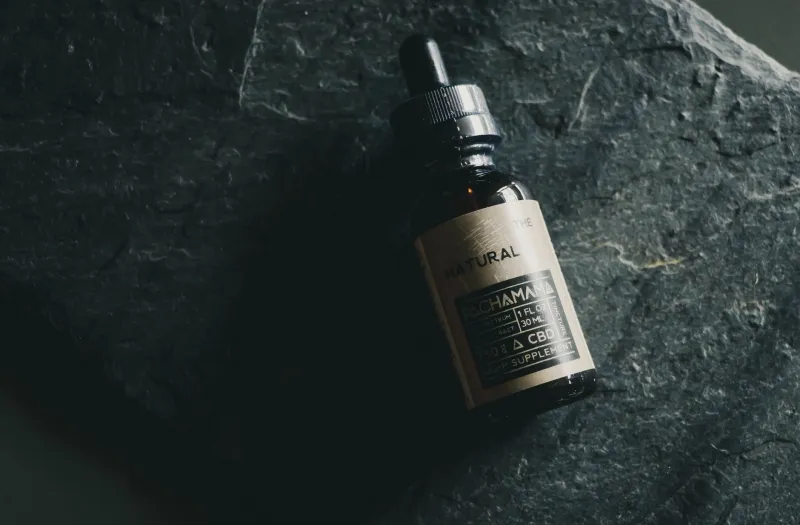
Air travel adds familiar constraints. Hand luggage liquids generally need to comply with airport security rules, including container size and transparent bag requirements. A CBD oil in a 30ml dropper may fit those rules neatly; a larger bottle may need to travel in checked baggage, subject to the airline’s own conditions.
Airline policies are not identical. Some carriers publish detailed guidance on medicines and supplements; others address such items only through general baggage conditions. Before departure, check both the airport’s security advice and the airline’s rules. Carry the original pack, the batch certificate and, where relevant, any supplier documentation that explains the product. If a product has been supplied against a prescription or clinical recommendation, carry the supporting paperwork in a separate wallet so it can be produced without unpacking everything.
The documentation wallet
A simple travel wallet can prevent a stressful conversation. Consider including: the retail packaging with batch code; a printed or offline copy of the certificate of analysis; the supplier’s contact details; a short note of the product’s purpose and daily amount; booking confirmations showing the travel dates; and any written operator guidance you have received. Keep digital copies too, but do not assume that port or airport connectivity will cooperate.
At 10xPure CBD, our editorial preference is for batch-level evidence rather than marketing language. That preference is especially useful when travelling. A certificate that names the batch, the laboratory and the tested cannabinoid profile is more informative than a slogan about purity. It does not compel an operator to accept the product, but it makes the consumer’s position clearer and more auditable.
Consumer advice is not legal certainty
A retailer can advise on packaging and documentation. A consumer group can explain good practice. Neither can issue a binding ruling on every port, airline or ferry route. The legal and regulatory picture can also vary according to product category and how it is presented. Where a traveller has a specific concern—particularly about medicinal use, large quantities or a product with unusual labelling—independent legal advice is the appropriate route.
The neutral position is therefore straightforward: prepare thoroughly, ask the operator, keep the evidence and avoid assumptions. A confident traveller is not one who ignores the rules; it is one who has checked which rules apply and can demonstrate that the product in the bag is what the label says it is.
A final pre-crossing checklist
Confirm the product category and intended use. Keep the original sealed packaging and batch code. Download the batch certificate. Carry only a proportionate quantity. Check ferry or airline conditions in advance. Pack liquids for security. Keep documentation separate and accessible. Ask for written confirmation where a policy is unclear. Arrive with time to spare, and be prepared to explain the product calmly.
The Irish Sea need not complicate a well-managed CBD routine. What it does require is a refusal to confuse a product’s UK-wide availability with a guaranteed UK-wide travel practice. In 2026, the sensible approach remains unchanged: purity claims should be documented, potency should be understood, and travel plans should be audited before the bag is packed.