From Kettle to Candlelight: Designing a Measured CBD Day in 2026
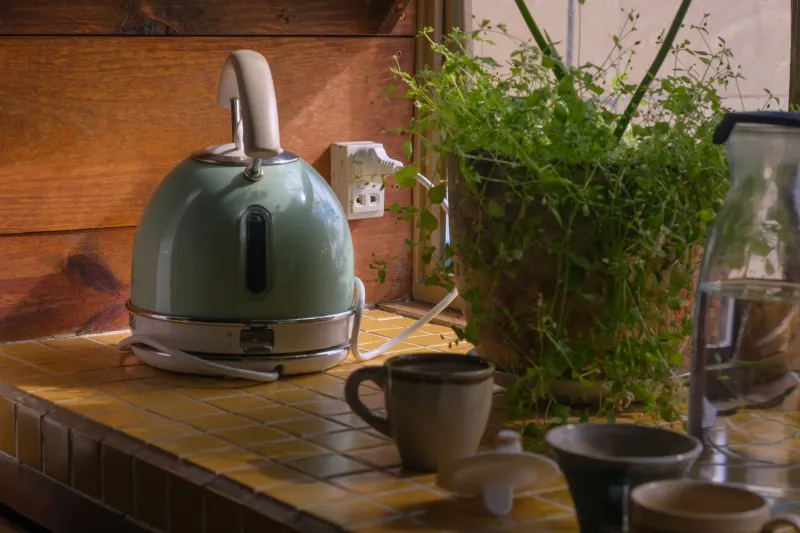
November in the UK has a way of exposing unrealistic routines. The light goes early, the commute is damp, and the best intentions for a calm daily practice can dissolve by the second cup of tea. A CBD routine that survives ordinary life therefore needs to be modest, repeatable and easy to record. The aim is not to optimise every hour; it is to build a pattern you can observe over weeks.
Begin with the day you actually have
Before choosing a format, audit the day as it is. When do you wake? How long is the commute? Do you eat breakfast at the kitchen counter or at a desk? Is there a reliable minute at lunchtime, or does the afternoon disappear into meetings? A routine that requires a silent kitchen at 07:00 may fail by Wednesday. A routine attached to the kettle, the front door or the lunchtime walk is more likely to last.
This is the 10xPure perspective in practice: purity and potency matter, but they meet real life through routine. Consistency and self-awareness are more useful than intensity.
Morning: kettle, commute and a measured start
Mornings are usually the most structured part of a UK day, which makes them useful anchoring points. If you use an oil, the ritual of measuring after breakfast may suit a household with a predictable start. Sublingual use is often chosen for its directness, but the taste and the need to hold the oil can make it impractical on a crowded train. A capsule is simpler to take with water and easier to carry, though it offers less flexibility if you want to adjust by small increments.
A topical is rarely a morning routine in the same sense. It is applied to a specific area of skin and is not designed to be a whole-body substitute for an oil or capsule. If you use one, patch-test first and keep the application separate from the morning rush.
The journal entry for morning should be brief: time, format, amount, sleep quality and whether breakfast was eaten. Do not chase a feeling. Record what happened, not what you hoped would happen.
Noon: desk work and the lunchtime reset
Midday is where many routines quietly collapse. A capsule can sit in a bag or desk drawer and be taken with water; an oil may be less discreet in an open-plan office. If the day is stressful, the temptation is to add more. A better response is to record the context: missed lunch, back-to-back calls, poor sleep, a long commute. These notes help you distinguish a routine problem from an ordinary difficult day.
A short walk at lunchtime is a useful anchor in its own right. It breaks up desk work, exposes you to daylight and creates a natural pause. If you use a topical, this may be the point to apply it to hands, shoulders or another local area after a patch test. Keep expectations proportionate: a topical is used for the area it is applied to, not as a systemic dose.
Evening: wind-down without theatre
Evening routines can become over-designed. A candle, a herbal tea and a notebook are pleasant, but they are not requirements. The useful question is simpler: what helps you mark the end of the working day? An oil may suit a slower evening ritual, provided it is measured and stored correctly. A capsule taken earlier in the evening may fit a household where the kitchen is busy. A topical can accompany a brief massage or stretch.
Record the evening entry before bed, while the details are fresh. Note the time, amount, format and activity. The next morning, add a line about sleep quality. Over a week, these small entries are more informative than a single dramatic review.
Choosing between oils, capsules and topicals
| Format | Best fit | Practical notes |
|---|---|---|
| Oil | Flexible, measured doses | Requires a marked pipette, careful storage and a willingness to measure; taste varies |
| Capsules | Fixed doses, travel and desk days | Convenient and portable; less flexible for small adjustments |
| Topicals | Local areas of skin | Patch-test first; not a substitute for an oil or capsule routine |
Format should follow routine, not fashion. If you travel often, capsules may be the practical choice. If you prefer a precise, adjustable measure at home, an oil may suit better. If you want a local product for hands or shoulders, a topical belongs in a different category of use.
A journaling framework that takes two minutes
A useful journal does not need to be elaborate. A notebook or a note on your phone is enough.
| Field | What to record |
|---|---|
| Date and day | A simple reference point |
| Time | When the product was used |
| Format | Oil, capsule or topical |
| Amount | mg, ml, drops or capsule count |
| Context | Sleep, food, stress, activity, commute |
| Observation | A neutral note on what you noticed |
| Next-day note | Sleep quality or any change worth remembering |
Review the week in a seven-day block. Look for patterns, not conclusions. Did you remember the routine on office days? Did the evening entry drift later? Did the amount stay stable? If nothing changes after a reasonable period, do not automatically escalate. Review the product batch, the measurement method, the timing and your expectations. If you take prescription medicines, are pregnant, breastfeeding or managing a health condition, speak to a pharmacist or GP before making changes.
Making consistency survive a British week
A Sunday reset helps. Check your supply, read the batch information, clean your pipette if you use one and plan the week around the anchors you already have: the kettle, the front door, the lunchtime walk, the evening kettle again. Keep products cool and dark, follow the label’s storage advice and keep the original packaging so the batch code remains available.
Travel is easier with capsules, but the principle is the same: measure, record and keep the routine simple. A missed day is not a failure; it is data. The routine that works is the one you can repeat without turning your day into a laboratory experiment. From the first kettle to the last candle, the goal is a measured pattern you can understand — not a quick fix.