The Trial Vial Test: A Consumer Audit of CBD Samples in 2026

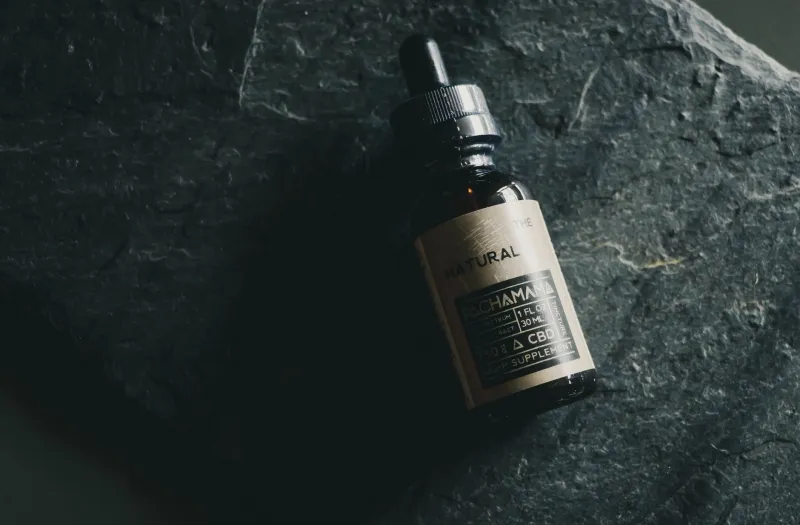
Photo by Photo by Cosmin Ursea on Unsplash on Unsplash
Sample-sized CBD products occupy an awkward place in the UK market. They are marketed as a gentle introduction, a way to try a flavour or format before committing to a larger bottle, and a sensible hedge against an expensive mistake. That logic is sound as far as it goes. But a sample is still a purchase, and the consumer questions that apply to a full-sized product do not disappear simply because the bottle is smaller.
At 10xPure CBD, the editorial focus is on purity, potency and daily routines. A trial vial should be judged against those same standards. The purpose of this audit is not to discourage sampling, but to make the trial purchase more accountable: what it costs per milligram, what batch evidence accompanies it, how much packaging it generates, and whether it actually answers the question the shopper is asking.
Why a Sample Is a Consumer Decision, Not a Free Pass
The appeal of a sample is obvious. A 2ml or 5ml bottle allows a UK shopper to test taste, dropper usability and routine fit without spending £40 or more on a product that may sit unused in a kitchen cupboard. For anyone new to CBD, or returning after a break, that lower commitment has real value.
The risk is that sample pricing is rarely presented in comparable terms. A trial vial may look inexpensive beside a 30ml bottle, yet cost considerably more per milligram of cannabidiol. A starter kit may appear generous because it contains several items, even if those items do not form a coherent routine. A sample pack may also arrive with less documentation than a full-sized product, leaving the buyer unable to confirm which batch was tested.
A sample should therefore be treated as a consumer decision in its own right. It is not a free pass, and it is not automatically the prudent choice. It is a smaller purchase with the same need for clear value, identifiable quality evidence and a workable plan for use.
The Milligram Ledger: Calculating What a Trial Actually Costs
The first step in any sample audit is arithmetic. UK CBD labels generally state the total cannabidiol content in milligrams, sometimes alongside a percentage. To compare products, divide the total price by the total milligrams. That gives a cost per milligram, which is a more honest measure than bottle size or headline price.
A worked example makes the point. A 10ml bottle containing 500mg priced at £25 works out at 5p per milligram. A 2ml trial vial containing 100mg priced at £8 works out at 8p per milligram. The trial is cheaper at the till, but dearer for each milligram of CBD. If postage is added to a small order, the gap widens further. Shoppers should calculate a landed cost: product price plus delivery, divided by total milligrams.
Starter kits need the same treatment. Add the milligrams across all included products, then divide the kit price plus postage by that total. If the kit contains a balm, a capsule pack and an oil, the milligram total may be misleading unless each product’s CBD content is stated clearly. A kit can be good value, but only if its contents match the routine the buyer intends to follow.
Batch Evidence in Miniature
A sample is only useful if the batch can be identified. Reputable UK CBD retailers should be able to provide a certificate of analysis for the relevant batch, showing cannabinoid content and, where applicable, testing for contaminants. The batch number on the sample should match the batch number on the certificate. Without that link, the buyer has no way to know whether the trial vial represents the product that was tested.
This matters because samples may be drawn from different batches to full-sized bottles, or produced as separate runs. That is not automatically a problem, but it should be disclosed. A shopper who trials a 5ml vial and then buys a 30ml bottle is entitled to ask whether the full bottle comes from the same batch. If it does not, the trial provides only partial evidence of consistency.
Batch documentation also helps with the question of potency. A trial vial that claims 100mg should be supported by a certificate that confirms the cannabinoid content within a reasonable tolerance. The sample format is small, but the standard of evidence should not be.
Testing Tolerance Without Overreading the Trial
Sample sizes are often justified as a way to test tolerance. That language needs care. A short trial can help a user assess taste, texture, dropper accuracy and whether a product fits a daily routine. It is not a controlled clinical assessment, and a few doses cannot establish how a person will respond over time.
UK shoppers should start cautiously, follow the product label and keep a simple record of date, amount and any notable effects. If they take medication, have health conditions or are unsure, they should speak to a pharmacist or other healthcare professional. A trial vial is a consumer product, not a medical trial.
The most useful question a sample can answer is practical: can I use this format consistently? A dropper that is awkward to handle, an oil that does not suit the palate, or a capsule that does not fit the day are all legitimate reasons to stop before buying a larger bottle. Those are routine questions, and they are worth answering before committing.
Packaging and the Waste Equation
Small formats can generate disproportionate packaging. A trial vial may arrive in a box, with a leaflet, a tamper seal and a plastic dropper, all for a few millilitres of oil. That does not make samples inherently wasteful, but it should form part of the value calculation. A shopper comparing two trial vials should consider whether the packaging is recyclable, whether the retailer offers a refill or return scheme, and whether the sample is necessary at all.
Packaging waste is also a practical signal. A retailer that uses minimal, clearly labelled packaging and provides batch information online is often easier to audit than one that prioritises presentation over disclosure. The environmental question and the consumer question overlap: both ask whether the small format is justified by the information and experience it provides.
The Return Question
Before buying any sample, UK shoppers should read the retailer’s returns policy. Online purchases are generally subject to distance-selling protections, but there are exceptions, particularly where a product has been opened or is sealed for health or hygiene reasons. A sample does not remove the need to understand those terms. It may reduce the financial risk of a poor choice, but it does not eliminate it.
Check whether the retailer accepts returns of opened trial vials, whether postage is refunded, and how batch evidence would be supplied if a product appears inconsistent. A clear policy is part of the product’s value.
A Practical Audit Checklist for 2026
- Calculate cost per milligram, including delivery.
- Confirm the sample’s batch number and request the matching certificate of analysis.
- Check whether the trial and full-sized product come from the same batch.
- Compare carrier oils, flavour and dropper design, not just CBD content.
- Review packaging and recycling information.
- Read the returns policy before purchase.
- Keep a short use record to assess routine fit, not medical outcomes.
- Treat bold tolerance claims with caution.
The best trial is not the cheapest or the largest. It is the one that gives a UK shopper enough evidence to make a sensible second purchase, or to stop without regret. In 2026, sample sizes should be audited with the same discipline as full bottles: purity, potency and daily routine, tested in the UK.