After the Seal Breaks: Storing CBD Oil in a British Home
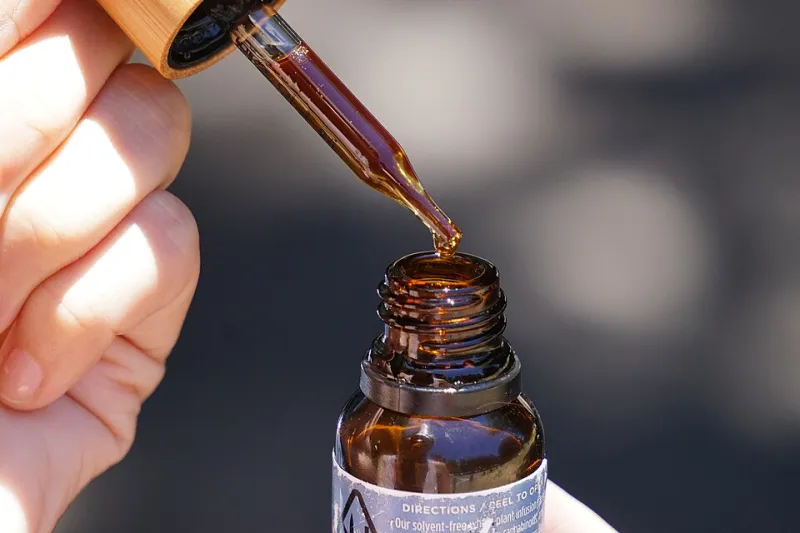
Photo: elsaolofsson, CC BY 2.0, via Wikimedia Commons
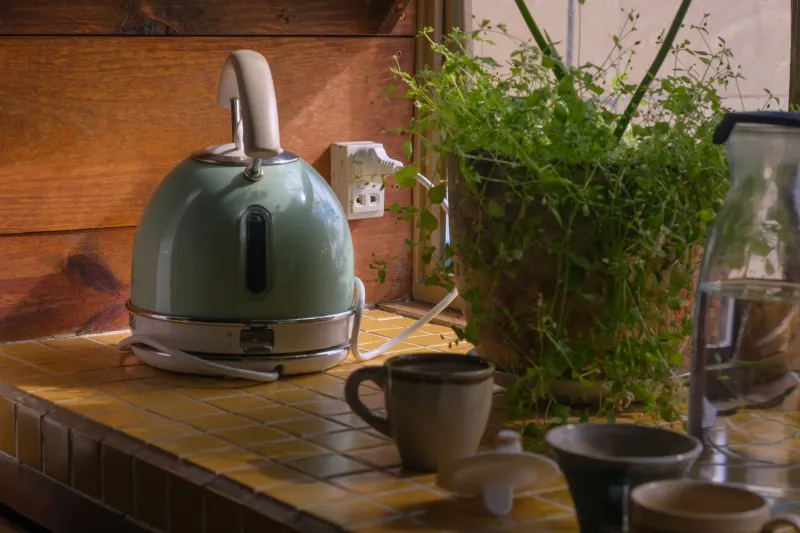
CBD oil is often bought with the intention of daily use, but its condition after opening depends less on the printed date than on where it is kept. In a British home, central heating, kettle steam, kitchen windowsills and low winter light all create small stresses that add up. A sensible storage routine does not need to turn the kitchen into a laboratory. It does need to be consistent.
What changes once the bottle is open
The sealed bottle is a relatively protected environment. Once the cap comes off, the oil meets oxygen, light and handling. CBD itself is not usually described as highly fragile, but the carrier oil and the overall formulation can change. Repeated exposure to air can encourage oxidation, which may affect taste and smell. Light can accelerate deterioration in oils that are not protected by opaque packaging. Heat can soften the texture of some carriers and increase the rate of chemical change.
There is also the question of hygiene. A dropper that touches the tongue, the skin or a kitchen surface can introduce contamination back into the bottle. Clean handling is part of storage, not a separate concern.
Use-by dates and batch dates are not the same
A batch date or batch code identifies when a product was made or which production run it came from. It is a traceability tool. A use-by or best-before date is a shelf-life estimate based on the product being stored as directed. Neither date tells you how the bottle has been treated since purchase.
This is why the period after opening matters. Some labels give a specific instruction, such as using the oil within a set number of months once opened. Others rely on the general best-before date. If the label gives an opened-shelf-life instruction, follow it. If it does not, record the date you opened the bottle and aim to finish it within a reasonable period rather than leaving half a bottle at the back of a cupboard for a year.
The practical lesson is simple: buy a size you will realistically use. A large bottle that lasts six months may look economical, but it also spends six months being opened, closed, handled and exposed.
The fridge question for UK homes
The fridge is often recommended for CBD oil, but it is not automatically the best place. Some labels specifically advise cool, dark storage and do not require refrigeration. Others may suggest the fridge once opened. The label should be the first point of reference.
In a UK home, a fridge can be useful in warm weather or in a kitchen that becomes hot during cooking. However, refrigeration brings its own issues. Condensation can form when a cold bottle is opened repeatedly at room temperature. The fridge door is a poor choice because it experiences more temperature swings than the main body of the fridge. Some carrier oils thicken or cloud when cold, which can make dosing less predictable. A cold dropper can also be less pleasant to use.
If you do refrigerate, keep the bottle upright, tightly closed and away from strong-smelling foods. Allow it to stand at room temperature for a short time before use if the oil has thickened, and wipe any condensation from the outside of the bottle. Do not freeze CBD oil unless the manufacturer explicitly says so.
For many UK households, a cool, dark cupboard away from the oven, radiator and kettle is a reasonable default when the label does not require refrigeration. The key is stability rather than extreme cold.
Places to avoid
The kitchen windowsill is a common home for supplements, but it is a poor one for oils. Daylight, particularly in summer, and the warmth from a sunny window can work against freshness. The same applies to the shelf above a radiator, the area beside a hob, and the bathroom cabinet in a steamy room.
A handbag is acceptable for a journey, but not for long-term storage. A car glovebox is worse: it can become very hot in summer and very cold in winter. If you travel with CBD oil, use an opaque carry case and keep it with you rather than leaving it in the vehicle.
Signs that an oil has aged out
An oil that has deteriorated may smell sharper, soapier or simply different from when it was opened. The taste may become unpleasant, and the colour may darken. Cloudiness, sediment or a changed texture can also be warning signs, although some carrier oils naturally thicken when cold. If the bottle has been left open, stored near heat or handled carelessly, treat those signs with more caution.
Do not rely on smell alone. If the oil is past its use-by date, has been stored badly or looks and smells unusual, it is better to discard it than to continue. A replacement bottle is cheaper than an unpleasant experience.
A simple storage routine
- Keep the original bottle, with its batch code and date information, and write the opening date on the label or in a note.
- Store upright in a cool, dark cupboard unless the label advises refrigeration.
- Keep away from direct sunlight, radiators, ovens, kettles and steamy bathrooms.
- Close the cap firmly after each use and avoid leaving the dropper exposed.
- Use clean hands and avoid letting the dropper touch surfaces, the tongue or the skin.
- If refrigerating, use the main body of the fridge rather than the door and allow the oil to settle before dosing.
- Buy a bottle size that matches your routine, so the product is not open for longer than necessary.
- Check the batch date and use-by date before purchase, and keep the certificate information if the brand provides it.
Freshness is a routine, not a label
A CBD oil does not need a complicated storage regime, but it does benefit from consistency. The most common mistakes are ordinary ones: leaving the bottle by the window, storing it above the kettle, or keeping it in a warm car. A cool dark place, a closed cap and a note of the opening date will do more for freshness than an elaborate system.
At 10xPure CBD, we treat storage as part of the daily routine rather than an afterthought. The label may set the terms, but the home environment decides how well those terms are met.