The Weight of the Word: What a Credible CBD Purity Claim Must Show
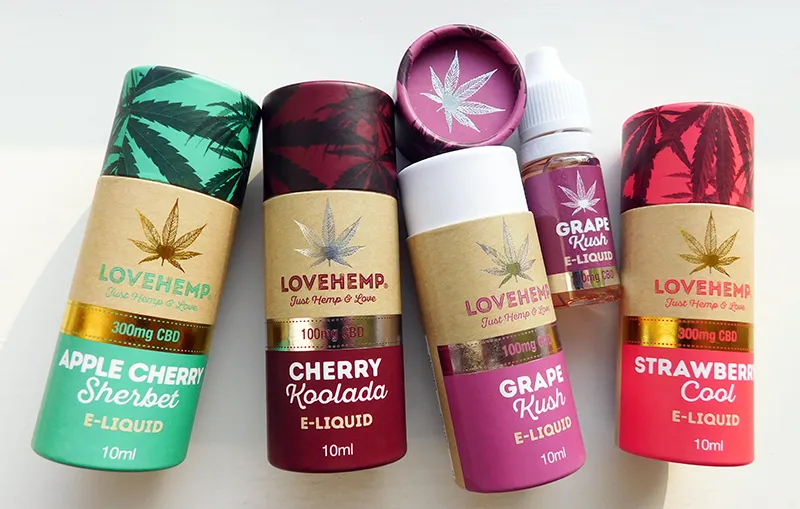
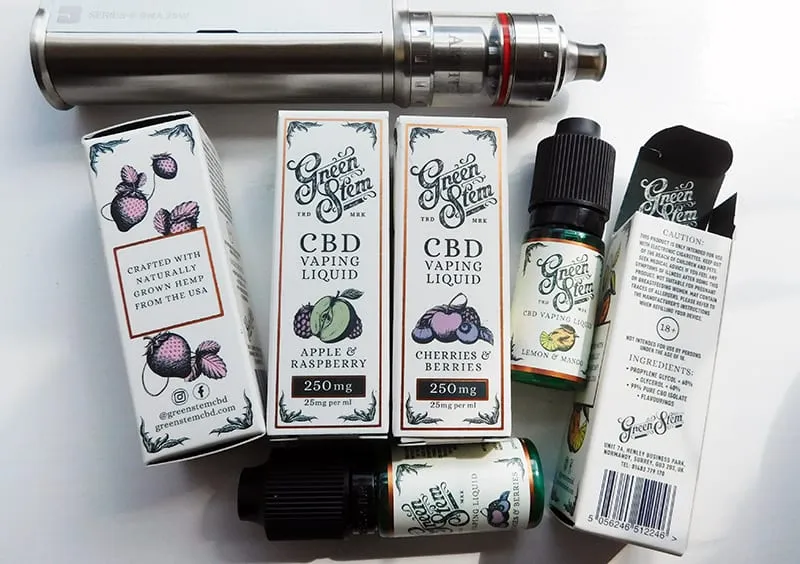
Photo: Ecig Click, CC BY-SA 2.0, via Wikimedia Commons
Purity is one of the most repeated words in UK CBD retail, and one of the least examined. On a premium label it suggests safety, refinement and a product worth paying more for. Yet purity is not a single property. It is a cluster of claims about chemistry, contamination, formulation and honesty. For a label to mean anything in 2026, it should be able to show which of those claims it is making — and on what evidence.
A word that carries commercial weight
The difficulty with ‘pure’ is that it sounds absolute. In practice, a CBD oil is a mixture: cannabinoids, carrier oil, possibly flavourings, and trace compounds that remain after extraction. A brand may use ‘pure’ to mean that the CBD is isolated and highly refined. Another may use it to mean that the product is free from a particular contaminant. A third may mean that the formula contains no artificial additives. These are not the same claim, and they are not proven in the same way.
That ambiguity matters because UK shoppers are being asked to pay a premium on the strength of a word that has no single legal definition in this context. A defensible premium label should not rely on atmosphere. It should be specific enough that a reader can check it against a batch document.
Purity has at least four separate meanings
First, there is chemical purity. This concerns how much of the cannabinoid content is the compound named on the label, and whether the extraction and purification process has removed unwanted residues. A high-purity isolate and a whole-plant extract can both be legitimate products, but they are not interchangeable.
Second, there is contaminant-free status. This is a claim about what has been tested and at what limit: pesticides, heavy metals, residual solvents, mycotoxins and microbial contamination. A product is not meaningfully ‘contaminant-free’ unless the batch report states the panel used and the limits applied.
Third, there is carrier-oil transparency. Many CBD oils are dilutions, and the carrier is a major part of what is in the bottle. MCT oil, hemp seed oil and olive oil behave differently in taste, texture and storage. A label that says only ‘pure CBD oil’ without naming the carrier is leaving out useful information.
Fourth, there is full-spectrum honesty. ‘Full-spectrum’ implies the presence of a range of plant compounds, not merely CBD. If that term is used, the certificate should show the cannabinoid profile, including THC and minor cannabinoids, with results and limits of detection. If the product is broad-spectrum or isolate, the label should say so plainly.
The batch report is the anchor
A purity claim becomes credible when it is tied to a specific batch. A generic certificate of analysis, a decorative seal or a statement that a product is ‘lab tested’ is not enough. The useful document names the batch code, matches the product and format, and is dated. It should come from an independent laboratory, ideally one working to recognised quality standards, and it should be intelligible to a non-scientist.
The cannabinoid panel should state CBD content in a way that can be compared with the label: milligrams per bottle, milligrams per millilitre or milligrams per drop. The contaminant panel should be visible, not summarised as a tick box. The report should also show the method used and any limit of detection, particularly where THC is concerned. A result of ‘not detected’ means little unless the reader knows what level was detectable.
Carrier oil and format deserve equal scrutiny
A premium claim can be undermined by a vague formulation. If a bottle contains 10 milligrams of CBD per millilitre, the other 990 milligrams are not CBD. That is normal, but the label should be clear about what those ingredients are and why they are there. Carrier oil, flavouring and any additional botanical ingredients should be listed. For UK buyers, this is also a practical issue: some carriers suit room-temperature storage better than others, and some flavours can mask changes in freshness.
Potency and purity are related but distinct. A product can be potent without being well characterised, and it can be well characterised without being strong. The label should make both dimensions legible.
Questions to ask before trusting a premium label
A reader does not need a chemistry background to audit a claim. The following questions are a reasonable starting point:
- Which batch is in this bottle, and can I see the certificate for that batch?
- Who carried out the testing, and is the laboratory independent of the brand?
- Does the report include cannabinoid content, pesticides, heavy metals, residual solvents, mycotoxins and microbial results?
- Does the CBD figure on the label match the figure in the report, in the same units?
- What carrier oil is used, and is it named clearly on the label?
- Does ‘pure’ here mean isolate, broad-spectrum or full-spectrum?
- Is THC reported with a limit of detection, rather than only as absent?
- Is there a batch date, a use-by date and clear storage guidance?
If a brand cannot answer these questions, the word ‘pure’ is doing more work than the evidence behind it.
A more defensible premium
Purity should be treated as a claim to be demonstrated, not a mood to be created. The strongest labels are often the least theatrical: they name the batch, show the panel, identify the carrier and explain the format. That is a more modest approach than a large ‘pure’ seal, but it is also more useful.
At 10xPure CBD, our editorial position is that premium status should rest on traceable evidence. A label does not need to promise perfection. It needs to tell the buyer what has been tested, what has been excluded and what remains in the bottle. That is the difference between a purity claim and a purity story.