Between Brew and Dose: A Practical Timing Log for CBD and Hot Drinks in the UK
Photo: British Cartoon Prints Collection, Public domain, via Wikimedia Commons
The kettle as a routine anchor
In many British homes, the kettle is not simply an appliance. It marks the start of the working day, the pause after a school run, the recovery from a cold walk and the quiet moment before bed. For anyone using CBD oil, that rhythm raises a practical question: should the dropper come before the brew, after it, or at a clear distance from it?
The answer is personal, but it need not be vague. A structured timing log can help UK users observe their own routine without turning a daily habit into a clinical trial. The aim is not to make medical claims about hot drinks or CBD. It is to bring order to the everyday details that labels often leave open: carrier oils, flavour, serving advice and the order in which habits occur.
What the label can and cannot tell you
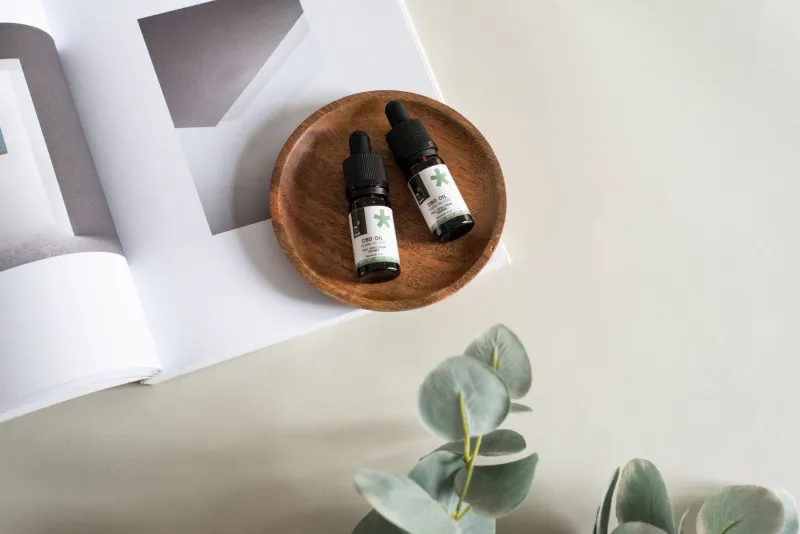
CBD oil labels in the UK vary considerably in the information they provide about use. A reputable label should state the amount of cannabidiol per serving, the carrier oil, any added flavourings, batch information and storage advice. Some products also include a suggested time of day or a note about taking the oil directly under the tongue.
What labels rarely do is explain how a product should be timed around tea or coffee. That silence is understandable. CBD products are not medicines, and general serving advice cannot account for individual routines. A label may say “take as directed” or offer a broad suggestion, but it should not be treated as a prescription for timing.
For the consumer, the useful task is narrower. Read the carrier first. Oils suspended in olive oil, MCT oil or hemp seed oil may feel different in the mouth, and that texture can influence whether a person prefers a clean palate before or after a hot drink. Read the flavour next. A naturally earthy oil may sit awkwardly beside a milky coffee for some users, while a mildly flavoured product may suit a morning tea routine. None of this is a health claim; it is a matter of sensory preference and consistency.
Tea, coffee and the question of timing
Tea and coffee are not interchangeable in British routines. A strong morning coffee often belongs to a faster start, while tea may be spread across the day in smaller, more social pauses. The timing question therefore depends on which drink is being considered.
The morning coffee
For those who take CBD in the morning, the simplest approach is to fix an order and keep it for a set period. Taking the dropper before the first coffee creates a clear marker: dose, then kettle. Taking it after coffee creates a different marker: brew, breakfast, dose. Neither is inherently better in a general sense. The value lies in repetition, because repetition makes the routine easier to review.
A timing log should record the order, not just the clock. “Dropper at 07:40, coffee at 07:55” is more useful than “morning dose” because it captures the gap. Over two or three weeks, patterns may emerge in how easy the routine is to remember, how the oil feels alongside the drink and whether the habit survives a busy weekday.
The afternoon tea
Tea is often the more flexible drink. It may accompany a mid-morning break, a late afternoon pause or a weekend visitor. For CBD users, the risk is not the tea itself but the irregularity of the occasion. A dose that depends on a quiet cup can be missed when the cup does not happen.
One practical solution is to separate the dose from the drink without making the separation rigid. The log can record a target window and a fallback. For example, a user might note a preferred afternoon window and then record whether tea came before, after or not at all. The purpose is to see whether the hot drink is supporting consistency or merely accompanying it.
Building a one-page timing log
A useful log does not need an app or a spreadsheet. A single page with five columns is enough: date, hot drink, time of drink, time of CBD serving, and a short note on the order and any practical observations. The note should stay factual. “Tea first; dropper five minutes later; easy to remember” is appropriate. “Felt different” is too vague to be useful.
Keep the log for a fortnight before drawing conclusions. A single day tells almost nothing. A fortnight begins to show whether the routine is stable on workdays, disrupted at weekends or dependent on a particular drink. If the pattern is messy, that is useful information rather than a failure.
It also helps to record the carrier and flavour of the product. If a change of bottle coincides with a change in routine, the log can show it. This is especially relevant in the UK, where a user may move between products bought online, from a pharmacy or from a high-street retailer. Different carriers can alter the mouthfeel, and different flavours can alter whether a person wishes to take the oil close to a hot drink.
What not to expect from the log
The log is an organisational tool, not a diagnostic one. It cannot establish whether CBD affects a health condition, and it should not be used to make treatment decisions. Anyone with a medical concern should speak to a healthcare professional. The log’s limited purpose is to answer a simpler question: does the current routine fit the life around it?
That question matters because consistency is often the first casualty of an overcomplicated regimen. A person who needs a precise gap between coffee and CBD may abandon the routine on a busy morning. A person who prefers a clean palate may find that tea-first suits them better. Both are valid, provided the choice is recorded and reviewed rather than left to chance.
A calm conclusion for a daily habit
The British hot drink is a useful anchor because it happens anyway. The task is to decide what relationship the dropper should have with it. Read the label for carrier, flavour and serving advice. Choose a repeatable order. Record it plainly for a fortnight. Then review the evidence of your own routine, not the claims of a marketing page.
In 2026, with more CBD products on the UK market than ever, that kind of quiet audit is a reasonable form of consumer care. The kettle will still boil. The question is whether the routine around it is clear enough to be kept.