Measured Beginnings: A Cautious First-Month CBD Framework for UK Shoppers
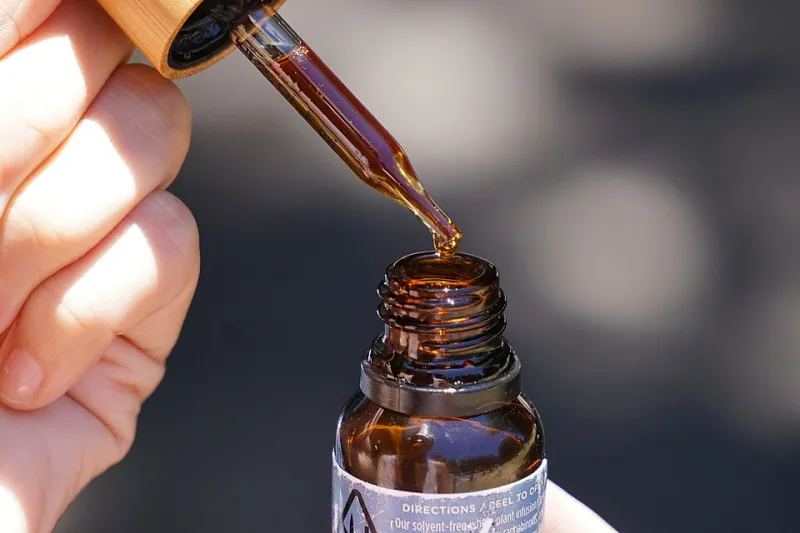
Photo: elsaolofsson, CC BY 2.0, via Wikimedia Commons
Beginning CBD in the UK in 2026 is less about discovering a marketed ideal serving than about building a record you can trust. The half-dropper rule is a deliberately modest framework: start low, hold other variables steady, and increase only in small, recorded steps. It is not a treatment plan, and it does not replace advice from a pharmacist, GP or other qualified healthcare professional. It is an editorial method for shopping and self-auditing more carefully.
Before the first dropper: establish a baseline
A useful first month begins before the bottle is opened. Choose a period when your ordinary routine is reasonably stable: no new supplements, no sudden changes to sleep patterns, and no experimental health regimes running alongside the CBD trial. If you are already taking prescribed medication, speak to a healthcare professional before adding any new product to your routine.
Set aside a simple notebook or a spreadsheet. The aim is not to produce a clinical record, but to create enough context to judge whether a product fits your routine. Note the product name, batch number, bottle size, stated cannabidiol content and the date the seal was broken. At 10xPure CBD, this reflects the editorial principle that purity and potency claims should be checked against the pack and its batch documentation, not taken on trust from front-of-label marketing.
Work out what half a dropper actually means
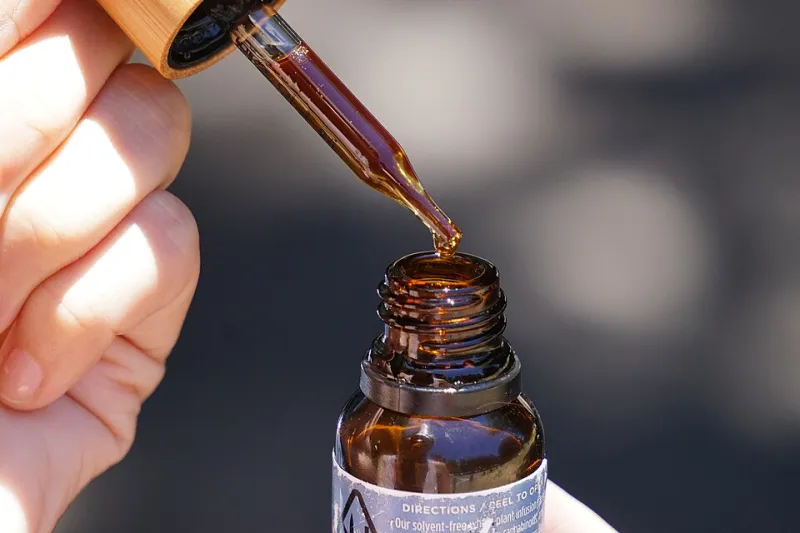
Dropper markings vary. A bottle may state milligrams per millilitre, milligrams per bottle, or both. If a 10ml bottle contains 1,000mg of cannabidiol, that is 100mg per millilitre. A full 1ml dropper would then represent 100mg, and half a dropper would represent 50mg. But this arithmetic is only reliable if the dropper is marked and used consistently.
Record the calculation in your log before the first serving. This prevents the common error of comparing drops from two different bottles as though they were equivalent. A smaller bottle with a higher concentration may deliver more cannabidiol in a single drop than a larger, weaker product. The batch certificate of analysis, where available, should be read alongside the label so that the stated potency can be checked against the reported result.
Hold the variables steady
The first month is not the time to rotate products, change carriers or experiment with several formats. Choose one oil, one batch and one time of day. Keep the serving method consistent: same dropper, same placement, same interval before eating or drinking if that is part of your routine. If you usually take CBD with breakfast, keep it with breakfast. If you prefer early evening, keep it there.
This discipline matters because subjective experience is easily influenced by unrelated changes. A poor night's sleep, a stressful week at work or a new exercise routine can all alter how a product seems to affect you. Holding variables steady does not eliminate those influences, but it makes them easier to spot in the record.
The log: timing, serving and subjective notes
A practical log needs four elements: date and time, serving taken, a short note on how the day felt, and any stop flags. Keep the subjective note brief. Instead of writing that a serving worked or did not work, record what you noticed: calm, drowsiness, headache, changes in appetite, sleep quality, or nothing at all. Avoid scoring every day out of ten unless you find that useful; a short phrase is often more honest than a false precision.
Review the log weekly rather than daily. Single days are noisy. Patterns are more informative. If the first week shows no clear change, that is not automatically a reason to increase. It may simply mean that the starting serving is low, which is the point of a cautious beginning.
The half-dropper increment
After a stable period of seven to fourteen days, consider whether a half-dropper increase is appropriate. The half-dropper rule is not a schedule that must be followed; it is a ceiling on how quickly to change. Increase by no more than half a dropper at a time, and change only one thing. Do not increase the serving and switch products in the same week.
If a half-dropper increase produces no useful change after a reasonable review period, the sensible next step may be to stop rather than to keep escalating. More is not automatically better, and a product that requires repeated increases to produce a noticeable effect may simply not suit your routine. Record the decision either way. A negative result is still a result.
Set stop rules in advance
A stop rule is a pre-agreed condition for pausing the trial. Examples include unusual symptoms, persistent discomfort, a marked change in sleep, or any reaction that concerns you. If a stop rule is triggered, pause the product and seek advice from a qualified healthcare professional. Do not wait until the end of the month to act on a clear concern.
Stop rules should also cover practical matters. If the bottle label is unclear, if the batch number cannot be found, or if the certificate of analysis does not match the product in your hand, pause and query the retailer. In the UK, consumer rights and batch evidence are part of the same purchasing decision. A product that cannot be identified is difficult to audit.
Use batch data to compare products
When the first month ends, compare products only on like-for-like terms. Check the stated milligrams per millilitre, the batch number, the certificate of analysis and the carrier oil. If one bottle delivers 50mg per half dropper and another delivers 25mg, the experience is not directly comparable. Recalculate before drawing conclusions.
This is where a slow first month pays off. By the end of it, you should have a record of what you took, when you took it, how the product was stored and whether the batch documentation stood up to scrutiny. That record is more useful than a marketing claim about an optimal serving, because it belongs to your routine rather than to a campaign.
The end-of-month review
At the close of the month, ask three questions. Did the routine fit daily life without friction? Was the log consistent enough to be useful? Did the product's label and batch data support the claims made at purchase? If the answer to any of these is no, the next step is not necessarily a stronger product. It may be a simpler routine, a clearer record or a different retailer.
Measured beginnings are unglamorous, but they are easier to trust. A half-dropper habit, a steady log and a willingness to stop are modest tools. For UK shoppers in 2026, they are also a sensible way to bring the same scrutiny to CBD that any other repeat purchase deserves.