From Hemp Field to Doorstep: A Buyer’s Map of UK CBD Provenance
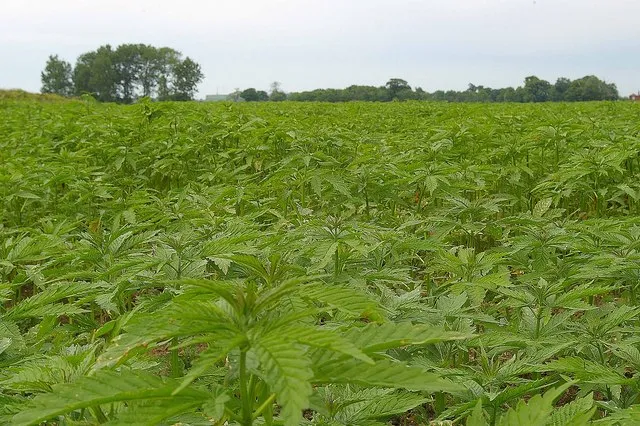
Photo: Glyn Baker, CC BY-SA 2.0, via Wikimedia Commons
‘British CBD’ sounds straightforward until you try to locate the actual British element. It might refer to a brand registered in the UK, hemp grown in eastern England, oil extracted in a Welsh facility, a blend bottled in the Midlands, a batch tested by a UK laboratory, or simply a warehouse that posts parcels from a fulfilment centre. Each claim can be true while saying very different things about provenance. In 2026, the useful question is not whether a label sounds patriotic but which stage of the supply chain the word ‘UK’ is describing.
The Flag Is Not a Factory Address
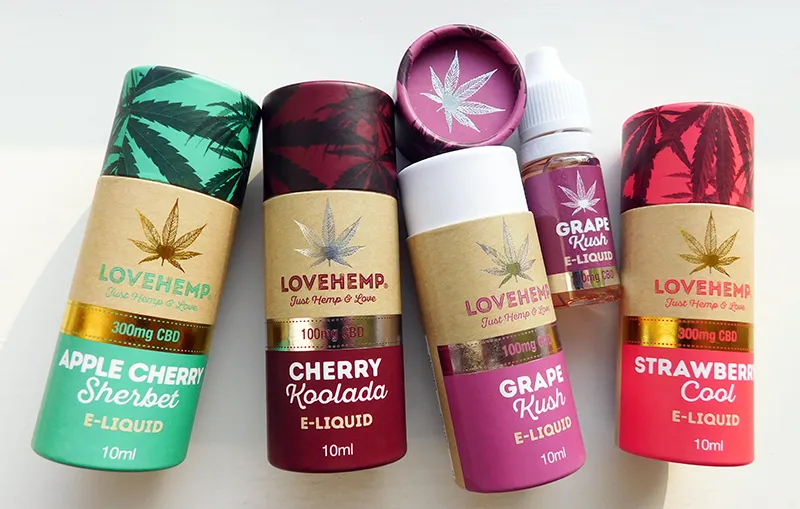
A Union Flag on a website or bottle is a marketing signal, not a traceability document. Food and supplement labelling rules require origin claims not to mislead, but ‘made in the UK’ is not a single, universal technical standard that answers every question about hemp, extraction, formulation and testing. A product can be legitimately described as UK-made because it was blended and filled here, even if the hemp was harvested abroad and the extract arrived in bulk. That is not necessarily a problem. It is a problem only when the customer assumes more than the label can support.
Stage One: Hemp Source
The first question is where the plant material was grown. UK hemp cultivation is licensed and subject to regulatory controls, and the domestic acreage remains modest relative to some European supply chains. Some British brands use UK-grown hemp; others source from established European growers. ‘British CBD’ may therefore describe the company rather than the crop. A credible supplier should be able to state the country of harvest and, where relevant, the region. If the answer is simply ‘European hemp’ or ‘premium hemp’, it is not a provenance answer.
Stage Two: Extraction
Extraction is the next fork in the road. Carbon dioxide and ethanol processes are both used, and the equipment and expertise may sit in the UK or overseas. ‘UK-extracted’ is a meaningful claim if it is true, but it is narrower than ‘British CBD’. Bulk extract can be imported and then formulated in Britain. Ask whether the extraction took place before or after import, and whether the supplier can name the facility type without disclosing commercially sensitive details. A supplier who cannot distinguish between extraction and bottling may not have a clear supply chain map.
Stage Three: Blending and Bottling
This is where many ‘made in the UK’ claims are earned. A company may import extract, combine it with a UK-sourced carrier oil, add flavour, fill bottles, apply labels and batch-code the finished product. That is a genuine manufacturing step, but it is not the same as growing hemp in Britain. The useful questions are: where was the oil blended, where was it filled, and who assigned the batch number? A batch code should link the finished bottle to a specific production run. If the code on the bottle cannot be matched to a record, the provenance story is already weak.
Stage Four: Testing
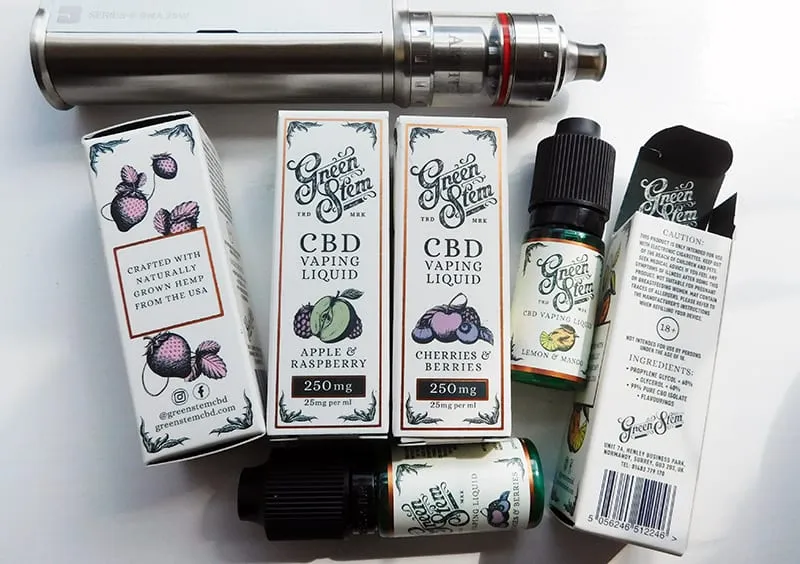
‘UK-tested’ is one of the most common phrases in the sector and one of the easiest to overread. It usually means a sample was sent to a laboratory in the UK. It does not automatically mean the laboratory is accredited, that the sample was taken from the finished retail batch, or that the certificate covers the tests a cautious buyer would want. A batch-specific certificate of analysis should match the code on the bottle and show the date of testing. Depending on the product, relevant tests may include cannabinoid profile, pesticides, heavy metals, residual solvents and microbiological contamination. Testing raw extract is not the same as testing the finished oil. Ask which stage was tested and whether the certificate is publicly available.
Stage Five: Fulfilment
A UK dispatch address is the final stage, not the first. Some brands hold stock in British warehouses; others use third-party fulfilment or ship from abroad. ‘Dispatched from the UK’ can be true for a product manufactured elsewhere. It tells you about delivery speed and returns logistics, not about hemp origin or extraction. Check the returns address, the company address and the batch code together. If the bottle, the certificate and the website tell different stories, ask why.
What ‘UK-Made’ Can Mean
In practice, ‘UK-made’ may mean that the last substantial stage of production happened in Britain. That could be blending and filling. It could be formulation and packaging. It is unlikely to mean that every input was British. None of this makes a product unsafe or dishonest by itself. It means the buyer should treat the phrase as a prompt for questions rather than a conclusion. The same applies to ‘British CBD’, ‘UK-tested’ and ‘made in Britain’. These are signals; they are not substitutes for batch-level evidence.
Questions Worth Asking Before You Trust the Flag
- Where was the hemp harvested?
- Who extracted the oil, and in which country?
- Where was the finished product blended and bottled?
- Which laboratory tested the batch, and is it UKAS-accredited for the relevant tests?
- Does the certificate of analysis match the batch code on the bottle?
- Was the finished oil tested, or only the raw extract?
- Who assigned the batch number and holds the production record?
- Is the product dispatched from the UK, and by whom?
Reading the Answer
A strong answer is specific but not necessarily long. It names the country of harvest, the extraction route, the filling location, the laboratory and the batch code. It accepts that some inputs are imported. A weak answer leans on heritage language, British scenery and vague assurances. At 10xPure CBD, our interest is in the evidence behind purity and potency claims, and in routines that depend on repeatable quality. The Union Flag can be part of a brand identity. It should not be the only traceability document a customer receives.