Second Life or False Economy? A Practical Audit of Reusing CBD Bottles, Droppers and Tins at Home
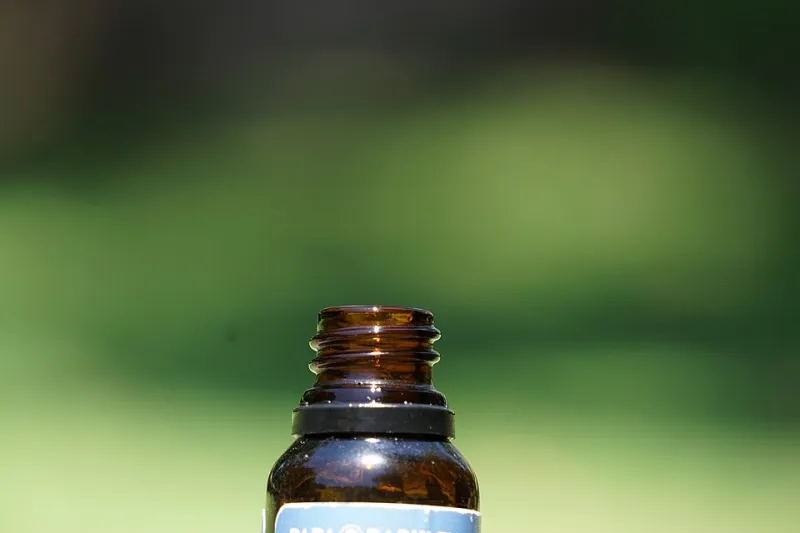
Photo: elsaolofsson, CC BY 2.0, via Wikimedia Commons
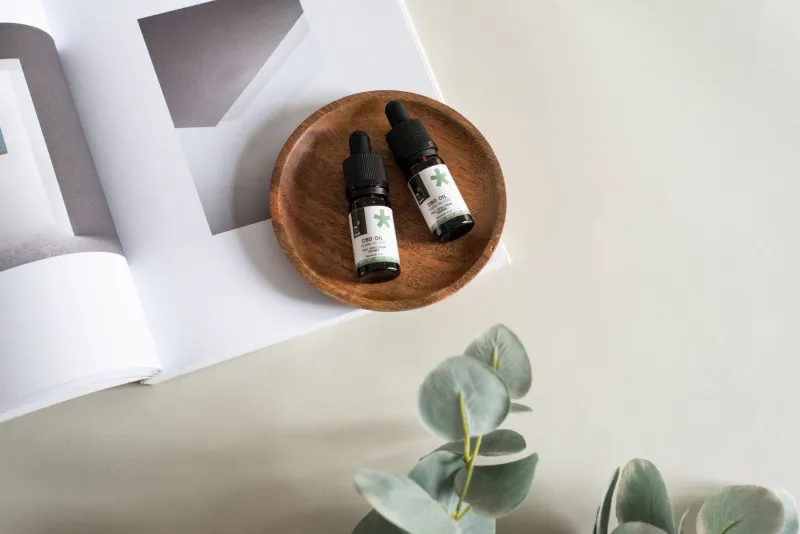
Reusing a CBD bottle, dropper or tin feels like a small act of thrift. The container is sturdy, the label is familiar, and throwing it away after a few weeks can seem wasteful. But CBD packaging is not a neutral vessel. It is designed around a particular product, a particular shelf life and a particular level of hygiene. Reuse can be sensible, but only when the container, the cleaning method and the new contents are compatible.
What the packaging is designed to do
Amber glass slows light exposure; an airtight closure limits air ingress; a dropper is shaped for measured serving. None of these features are permanent. Rubber bulbs degrade, seals compress, threads wear and glass can chip. A bottle that has already held one product may not be the best home for another. Tins are opaque and protective, but their inner lining and lid seal also have limits.
Cleaning a dropper: the part most often missed
The glass pipette is easy to wash. The rubber bulb is not. Rubber can absorb oils and is difficult to dry inside. Warm water and a little washing-up liquid can remove surface residue, but the bulb may retain moisture or odour. Rinse thoroughly and allow to dry completely before reassembly. Do not use harsh chemicals or boiling water unless the manufacturer says the components are suitable. If the bulb smells of the previous product after drying, retire it.
Contamination risks in a British home
CBD oil is not sterile, but it should not be introducing water or food residues. A poorly dried dropper can carry moisture into the bottle. A bottle left open near a kitchen sink can collect airborne particles. Refilling a container with a different formulation increases the risk of cross-contamination and makes any adverse reaction harder to trace. If you refill, use the same product and record the transfer date.
Light, air and the limits of reuse
Amber glass is helpful, but it is not a guarantee. A clear bottle on a sunny windowsill is a poor storage choice whether it is new or reused. Headspace matters: a half-empty bottle contains more air than a full one. Reusing a large bottle for a small amount of product may increase air exposure. Tins protect from light, but once the seal is damaged they may not protect from air. Store reused containers in a cool, dark cupboard and keep them closed.
Label transfer is not optional
A reused bottle without a label is an anonymous container. If you decant, write the product name, batch number, date opened and best-before date on a fresh label or a strip of tape. Keep the original packaging or a photograph of it. The batch number is the link between the product and its certificate of analysis; without it, you lose the ability to check a problem later. Do not rely on memory.
When to retire rather than repurpose
Retire a bottle if the glass is chipped or cracked, if the dropper bulb is perished, if the closure no longer seals, if the tin is corroded or dented at the rim, or if a residue cannot be removed. Retire it if it has held a product with a strong odour and the smell persists. Retire it if you cannot dry it fully. These are not aesthetic judgments; they are practical signs that the container can no longer do its job.
A simple decision guide
| Situation | Sensible action |
|---|---|
| Glass bottle intact, dropper glass only | Clean, dry and reuse for the same product |
| Rubber bulb odorous or stiff | Retire the dropper |
| Tin dented at the rim | Recycle rather than refill |
| Refilling with a different formulation | Avoid unless the retailer provides a validated system |
| Label missing | Add full product and batch details before storage |
Refills and retailer systems
Some retailers offer refill or return schemes. These can be useful when the retailer controls cleaning and labelling. A domestic refill is different: you are the quality-control department. If a shop sells a refill pouch intended for a specific bottle, follow its instructions exactly. Do not assume that a pouch is compatible with a bottle from another brand.
The environmental arithmetic
Reuse is not automatically the lower-impact choice. Washing a bottle with hot water and detergent has an environmental cost, and a contaminated bottle may be wasted anyway. For glass, local recycling may be the better option once the container is worn. The most sustainable purchase is often the one you will actually use before it expires, in packaging that protects it properly.
A measured approach to second lives
Reusing CBD packaging is reasonable when the container is intact, the cleaning is thorough, the contents are unchanged and the label is complete. It is a false economy when the seal is failing, the dropper is deteriorating or the new product cannot be identified. In a British home, where bathrooms and kitchens vary in temperature and humidity, the safe default is simple: reuse less than you think, label more than you think, and retire containers at the first sign of compromise.