Behind the Counter: A 2026 Field Audit of CBD Guidance in UK High-Street Shops
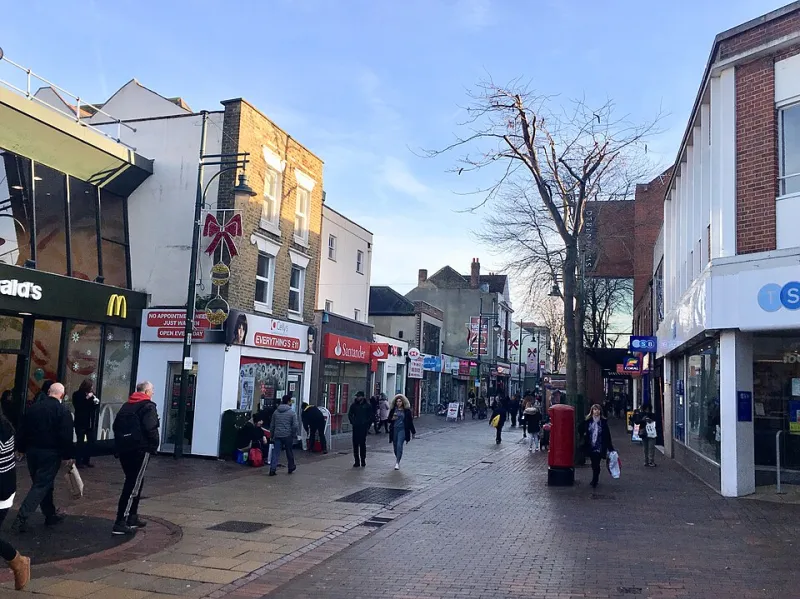
Photo: Chris Whippet , CC BY-SA 2.0, via Wikimedia Commons
Online product pages can be read slowly, cross-checked and abandoned without awkwardness. A shop counter is different. In autumn 2026 I visited a small sample of UK high-street retailers — independent pharmacies, health-food shops and general convenience stores — and asked the same questions about the CBD products on display. The aim was not to catch anyone out, but to record what a shopper is likely to hear and to build a scorecard for judging in-person guidance.
The questions I asked
I kept the questions plain. What is CBD? What is the difference between this product and another on the shelf? How much should a person take? Is there a batch certificate? Is the product authorised under the UK novel food rules? How should it be stored after opening? What is the returns policy? I did not ask for medical advice, and I did not present a health condition.
What the counter said
Responses varied more than the labels. Some staff were careful and candid: they distinguished between general product information and medical advice, and they admitted when they did not know. Others spoke with confidence that the label did not support. One assistant described a product as ‘fully legal’ without mentioning novel food status. Another said all CBD oils are ‘the same strength’, which is contradicted by any careful reading of milligram declarations. A third recommended storage in the fridge; the label said a cool, dark cupboard. None of these are catastrophic errors on their own, but together they show why counter advice needs verification.
Claims versus label evidence
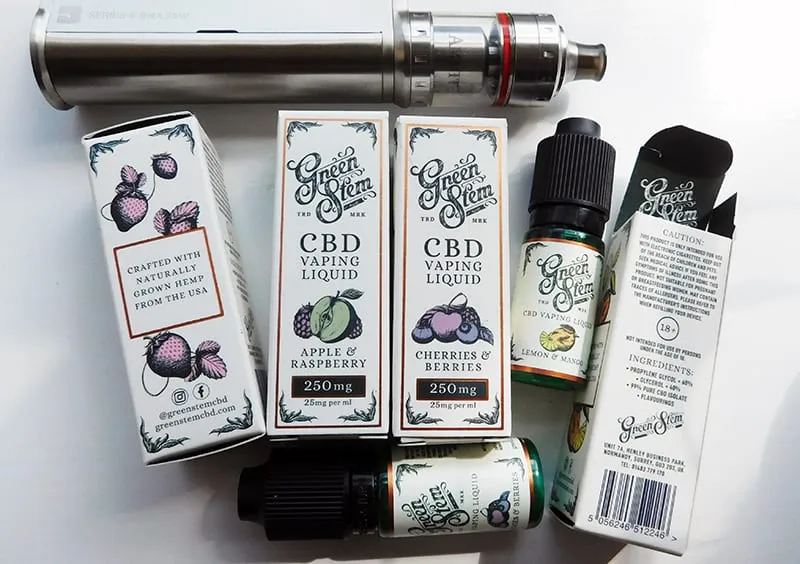
The label is the first control. Check that the product name, CBD content per serving, batch number, best-before date and ingredients are visible. Check whether the label makes a novel food statement or gives a clear company address. If the counter claim and the label disagree, the label should usually win. If the label is vague, the counter claim has nothing solid to rest on. A useful assistant will pick up the packet with you and read it, rather than reciting a script.
Batch documentation at the counter
Few high-street retailers held batch certificates behind the till. Some could request one from a supplier; others said the information was online. That is not necessarily a failing, but it changes the purchase. If you cannot see the batch report before buying, ask whether the batch number on the pack can be matched to a certificate afterwards. A retailer that can explain the process is more useful than one that simply says ‘lab tested’.
Novel food status without jargon
UK novel food rules are not a topic every shop assistant should be expected to teach. But a credible retailer should know whether the products it sells are within an authorised scope or are awaiting authorisation, and should not describe the position as simpler than it is. A vague ‘it’s all legal’ is less reassuring than a precise ‘this is the status we can confirm, and here is where to check’.
Storage advice: small details, real effects
Storage guidance was the most inconsistent area. Cool and dark is a common instruction; a warm shop window is not. If a product has been displayed near a radiator or in direct sun, that is worth noting. Ask how the shop stores its backstock. A retailer that keeps CBD oil in a cool, dark place and can say so is demonstrating routine care.
A practical scorecard
| Criterion | 0 points | 1 point | 2 points |
|---|---|---|---|
| Product identity | Cannot explain what the product is | General description only | Distinguishes product type and label details |
| Dose clarity | Guesses a dose | Refers to label | Reads label and explains serving |
| Batch evidence | Says ‘lab tested’ only | Can request a report | Shows or explains batch matching |
| Novel food awareness | ‘It’s all legal’ | Knows status exists | Gives a precise, checkable answer |
| Storage advice | Contradicts label | Vague | Matches label and shop practice |
| Returns | Unknown | General policy | Clear policy for opened products |
| Medical boundaries | Makes treatment claims | Mixed | Refers health questions onward |
A score of ten or above suggests useful guidance; below six suggests you should rely on the label and written documentation. The score is not a judgment of the shop’s overall quality, only of the CBD conversation you had.
Red flags at the counter
Be cautious when a product is presented as a treatment for a named condition, when ‘pure’ or ‘pharmaceutical-grade’ is used without evidence, when a batch report is dismissed as unnecessary, or when a sale is pushed before you have read the label. Also be cautious when the assistant is clearly reading from a supplier’s promotional card and cannot answer a follow-up question.
What good looks like
Good in-person guidance is modest. It reads the label, explains the serving, admits uncertainty, points to batch documentation and keeps health questions separate. It does not need to be encyclopaedic. It needs to be checkable. For UK CBD shoppers, the high-street test is not whether the assistant is friendly; it is whether the conversation gives you something you can verify at home.