Reading the Carrier: What UK CBD Labels Reveal Beyond Cannabidiol

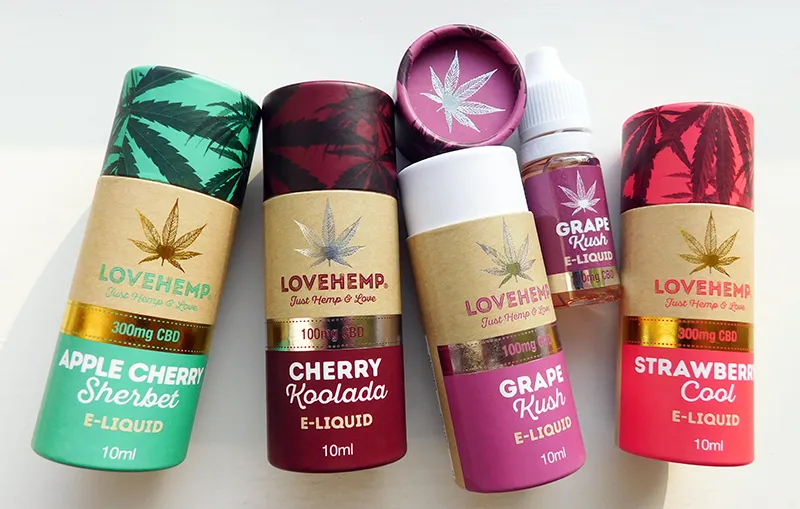
Photo: John Robert McPherson, CC BY-SA 4.0, via Wikimedia Commons
A CBD label invites attention towards one number: the milligrams of cannabidiol. That number matters, but it is not the whole formulation. The liquid in the dropper, the powder in the capsule or the base of an edible also contains carrier oils, flavourings, preservatives and excipients. For UK shoppers building a daily routine, ingredient literacy is part of quality assessment.
This is not a question of demanding a minimalist product for its own sake. Some carriers improve consistency, some flavourings make a product easier to use, and some excipients are necessary for a stable format. The point is to know what is present and why, rather than treating the ingredient list as small print beneath the headline.
Why the carrier deserves attention
The carrier is the substance that carries the CBD and makes the product usable. In oils, it typically forms most of the bottle. It influences texture, taste, absorption-related expectations and storage behaviour. Two products with the same stated CBD concentration may feel and behave very differently because their carriers differ.
For a daily routine, this matters. A carrier that suits one person may be unpleasant or unsuitable for another. A shopper who finds an oil too heavy, too thin, too nutty or too neutral may not use it consistently. Consistency is a practical quality issue, not a marginal preference.
MCT, hemp seed oil and other bases
Medium-chain triglyceride oil, usually described as MCT, is a common CBD carrier. It is typically clear, relatively light and mild in taste. MCT is often derived from coconut or palm sources, and the label should ideally make the source clear. Shoppers with dietary preferences or sensitivities should read the small print rather than assuming that all MCT is identical.
Hemp seed oil is another familiar base. It has a distinctive, sometimes nutty or grassy character and is valued by some shoppers for its fatty-acid content. It should not be confused with hemp extract: hemp seed oil is not a significant source of CBD in itself. A product may combine hemp seed oil with a CBD extract, but the two terms are not interchangeable.
Other bases include olive oil and, in some formats, glycerin or emulsion systems. Each brings different taste, texture and storage considerations. The label may not use the word carrier at all; it may simply list the ingredient by name. The shopper’s task is to identify which ingredient is present in the greatest quantity after the CBD extract and to understand what that means for daily use.
Allergens and the limits of front-of-pack language
UK allergen information deserves careful reading. The 14 regulated allergens include milk, eggs, fish, crustaceans, molluscs, peanuts, tree nuts, soya, cereals containing gluten, sesame, celery, mustard, sulphur dioxide and lupin. A CBD oil may not obviously contain any of these, but flavourings, capsule shells or processing aids can introduce them. Capsules may use gelatin or plant-based hydroxypropyl methylcellulose; edibles may contain gluten, milk or soya.
Coconut is not one of the 14 regulated allergens in the same way, but some individuals report sensitivity, and brands should be willing to answer direct questions about source and processing. Hemp seed itself may be a concern for some shoppers. The practical rule is simple: if the label is vague about a carrier or flavouring, ask before repeating the purchase.
Flavourings, preservatives and excipients
Flavourings are common in CBD oils, sprays and edibles. They can make a product more palatable, but they can also mask the taste of a poor-quality extract. Natural flavouring is not automatically hypoallergenic, and terms such as natural or identical do not tell the shopper what the flavouring contains. A brand should be able to explain the source and purpose of any flavouring in a straightforward way.
Preservatives are more relevant to water-based products than to anhydrous oils, but antioxidants such as vitamin E may appear in oil formulations. Excipients in capsules include fillers, anti-caking agents and shell materials. In edibles, sweeteners, colours and binders may be present. None of these is inherently suspect. The question is whether each ingredient is disclosed clearly and whether it is necessary for the format.
A label-reading routine for daily use
Start with the full ingredient list, not the front of the pack. Identify the carrier or base. Check for allergens and for capsule shell materials. Look for flavourings, preservatives and excipients that may affect tolerance or preference. Then check whether the batch certificate of analysis covers contaminants as well as cannabinoid content. A clean potency figure is not the same as a full quality picture.
For everyday use, simplicity can be helpful. A shopper who uses a product daily may prefer a short ingredient list that is easy to interpret. That is not a rule against flavoured or formulated products. It is a way of reducing avoidable uncertainty.
Questions to ask before repeating a purchase
What is the carrier, and what is its source? Is the product suitable for the dietary pattern you follow? Does the capsule shell contain gelatin or a plant-based alternative? Are flavourings natural, nature-identical or artificial, and what do they contain? Does the batch report include contaminant testing? Can the retailer link the report to the exact batch sold? These questions are reasonable, and a credible brand should not treat them as inconvenient.
Conclusion
The CBD number on the front of a UK product is a starting point, not a full description. The carrier, allergens, flavourings and excipients shape how a product tastes, stores and fits into a routine. Reading the small print is therefore part of quality testing at the consumer level. It does not guarantee a better product, but it makes for a more informed purchase and a more deliberate daily routine.