A Dropper, a Notebook and a Clean Palate: Judging CBD Oil at Home in 2026
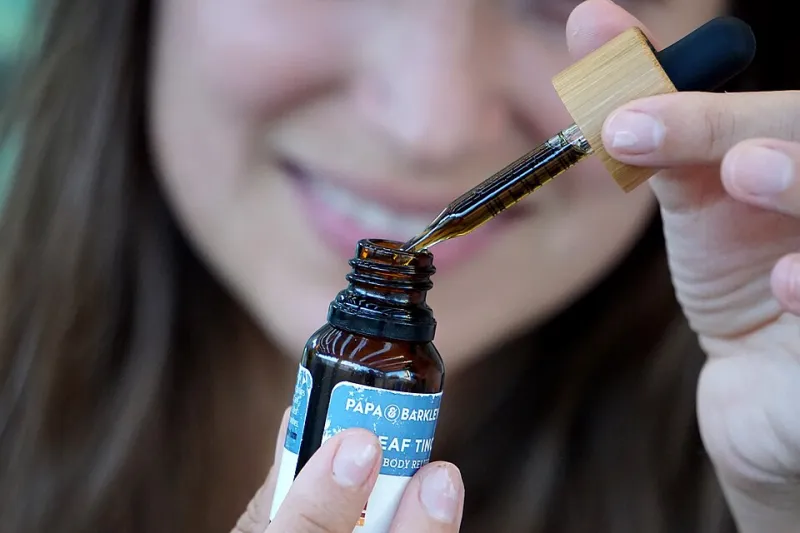
Photo: elsaolofsson, CC BY 2.0, via Wikimedia Commons
Why a kitchen-table test is worth doing
A certificate of analysis is essential, but it is not a complete description of a CBD oil. Two products can carry similar cannabinoid figures and still differ in carrier oil, mouthfeel, dropper design and the practical experience of measuring a serving. For UK buyers who want to compare products at home, a structured sensory check can reveal inconsistencies that a lab report will never capture.
The caveat belongs at the start: taste alone does not prove purity, potency or safety. Bitterness is not a reliable marker of cannabinoid content, and a pleasant flavour does not rule out a poor batch. The point of this checklist is to judge freshness, formulation quality and handling, not to replace laboratory testing.
Set the stage before the first drop
Sensory comparison works best when the conditions are consistent. Choose a quiet moment, avoid strong coffee or spicy food beforehand, and use the same glass or ceramic spoon for each product. A clean palate matters because carrier oils and natural plant compounds can linger. Keep the bottles at room temperature and record the date and batch code before opening anything.
A simple notebook is enough. Note the product name, batch, carrier oil, stated CBD content and the date the bottle was opened. Without those details, a taste memory becomes anecdotal very quickly.
Carrier oil: the first honest clue
Carrier oils shape much of what a taster detects. MCT oil, often derived from coconut or palm, tends to feel lighter and carry less of its own flavour. Hemp seed oil brings a nutty, grassy or slightly toasted note. Olive oil can be peppery and thicker. None of these is inherently better, but the carrier should be declared clearly and should match the sensory experience.
Smell the bottle before shaking. A fresh, mild oil should not smell rancid, metallic or sharply chemical. Hemp seed oil can have a naturally earthy aroma, so the question is not whether it smells of hemp but whether the smell seems stale or degraded. If the aroma is unusually strong in a way that suggests added flavouring, note that too. Flavourings are not automatically a problem, but they can mask the base oil.
Bitterness and the back of the throat
Bitterness is one of the most discussed and least diagnostic features of CBD oil. Cannabinoids and terpenes can taste bitter or earthy, and some products carry a pronounced back-of-throat note. A taster should ask whether the bitterness is clean and consistent with the declared formulation, or whether it is harsh, acrid or accompanied by an odd aftertaste.
Do not assume that more bitterness means more CBD. Concentration, carrier oil, flavourings and the presence of other plant compounds all affect taste. What matters for a home comparison is consistency. If the same bottle tastes markedly different from one week to the next, storage or handling may be the issue.
Mouthfeel and residue
Mouthfeel is where formulation quality often becomes apparent. A well-made oil tends to feel smooth and uniform, whether light or full-bodied. Grittiness, a powdery residue or an unexpectedly watery texture can suggest separation, poor mixing or a product that has not been stored well. Some natural variation is normal, but a texture that changes dramatically between uses is worth noting.
Pay attention to coating. Does the oil leave a heavy film, a mild slickness or almost nothing? Neither is a defect in itself, but the experience should be consistent with the carrier oil on the label. If a product claims a light MCT base but feels thick and cloying, the label and the bottle are telling different stories.
Dropper consistency: the practical test
A dropper is a measuring device as much as a delivery method. Check whether the markings are clear, whether the rubber bulb feels secure and whether the dropper delivers a steady drop rather than a stream. Fill it to the same mark several times and observe whether the volume looks consistent. A dropper that leaks, drips unevenly or loses its seal is a handling problem even if the oil itself is sound.
This is also the moment to compare the label’s serving instructions with the dropper’s markings. If the label says a serving is a certain number of drops but the dropper has no useful graduations, the consumer is left estimating. That is a formulation and packaging issue, not a matter of taste.
Bottle handling, labels and storage clues
Look at the bottle as an object. Is the cap secure? Is there a batch code and best-before date? Does the label name the carrier oil, the stated CBD content and the manufacturer or distributor? A bottle that has been handled well should not be sticky, scratched or leaking at the neck.
Storage matters after opening. UK homes vary in temperature and light exposure, and a kitchen windowsill is not kind to oils. Note whether the product recommends a cool, dark place and whether the bottle is amber or otherwise light-protective. If the oil changes colour, smell or texture after a few weeks, record it. That is useful evidence for a returns conversation if the product has not performed as described.
A simple home scorecard
| Check | What to record | Score 1–5 |
|---|---|---|
| Carrier oil aroma | Fresh, mild, consistent with label | |
| Bitterness | Clean and consistent, not harsh or stale | |
| Mouthfeel | Smooth, uniform, no grit or separation | |
| Dropper consistency | Clear markings, steady drops, secure bulb | |
| Bottle handling | Secure cap, clear batch and storage advice |
A total score is not a purity grade. It is a record of sensory and handling observations that can be compared with the batch report and the retailer’s claims. If a product scores poorly on dropper consistency but well on aroma, the notes explain why rather than reducing the product to a single number.
What the senses cannot tell you
The kitchen table cannot measure CBD content, THC levels, pesticides, heavy metals, residual solvents or microbial contamination. Those require laboratory analysis. A sensory checklist is therefore a complement to batch evidence, not a substitute. UK buyers should still ask for a certificate of analysis that matches the batch code on the bottle and covers the contaminants that matter.
Used honestly, the checklist does something useful: it turns a vague impression into a set of observations. That makes it easier to compare oils, spot handling problems and ask retailers precise questions. The palate is a useful witness, but it is not a laboratory.