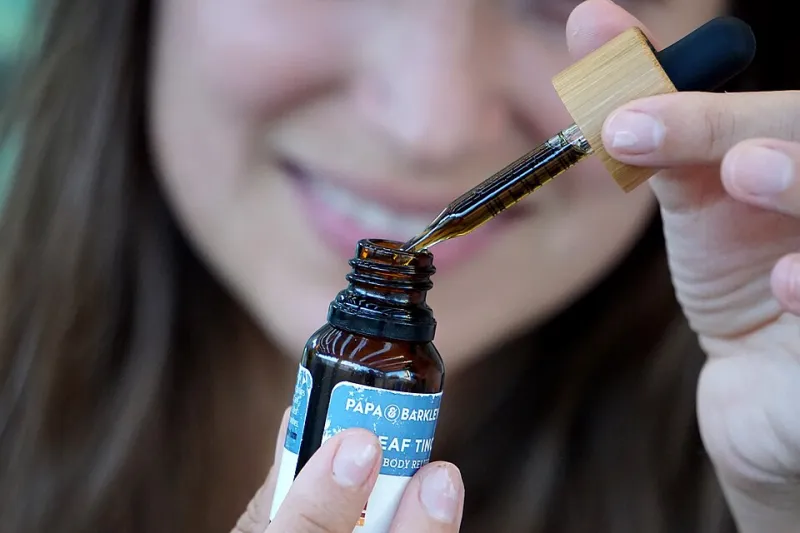
The Last Bottle as Evidence: A Pre-Reorder Review for UK CBD Users
Introduction
A repeat CBD purchase is often treated as a matter of habit. The bottle is empty, the routine is familiar, and the simplest response is to click reorder. Yet the finished bottle is not merely packaging awaiting the recycling bin. It is a small record of what was bought, how it was kept, how long it lasted and whether the routine it supported was realistic. For UK shoppers in 2026, a pre-reorder review is a practical way to separate evidence from reflex.
At 10xPure CBD, our editorial focus is purity, potency and daily routines tested in the UK. That lens is useful here because it asks the reader to look beyond the next product page and back at the last purchase. The question is not simply whether the CBD was pleasant. It is whether the bottle, its batch code, its label and the shopper’s own notes justify buying again.
Begin with the batch code, not the buy button
The first step is to retrieve the batch code. On many CBD oils it appears on the base of the bottle, the side label or the carton. The code should correspond with a batch certificate or laboratory report, often described as a certificate of analysis. If the retailer provided a report at the time of purchase, compare the code now. If the report is no longer accessible, note that as an unresolved point rather than assuming the batch was tested.
A credible batch record should allow the shopper to connect the finished bottle to the product that was tested. The absence of a retrievable code is not proof of poor quality, but it weakens the evidence base for a repeat order. In a market where claims can outpace documentation, the batch code is the simplest anchor. A shopper who cannot trace the last bottle should ask whether the next purchase will offer a clearer trail.
Read the label against the experience
The label is the second source of evidence. CBD content, serving size, carrier oil, flavour and spectrum description should be checked against the notes the shopper kept. If a 10ml bottle at 10 per cent concentration contains roughly 1,000mg of cannabidiol, and the label suggests a 10mg serving, the theoretical yield is about 100 servings. The actual number used may differ. A bottle that was intended to last a month but was finished in three weeks is a useful signal about routine and dosing, not necessarily a fault in the product.
Label claims should also be read for clarity. Did the packaging state the amount per drop, per serving or per bottle? Was the carrier oil named? Did the product describe itself as full-spectrum, broad-spectrum or isolate? These details matter because they shape expectations. If the label was vague, the next purchase can be judged against a higher standard. If the label was clear, the finished bottle provides a benchmark for comparison.
Reconstruct the storage history
Storage is often overlooked, yet it is central to a fair review. UK homes present particular challenges: a kitchen windowsill in summer, a radiator in winter, a bathroom cabinet with fluctuating humidity. The shopper should recall where the bottle was kept and whether the seal was broken for an extended period. Changes in colour, smell or consistency are observational points, not a diagnosis, but they belong in the record.
If the bottle was stored away from direct light and heat, and the oil appeared stable throughout use, that supports a repeat purchase of the same format. If storage was careless or the bottle lingered past its usefulness, the verdict may be to reorder with a changed routine rather than to abandon the product. The aim is not to assign blame but to identify whether the last purchase was given a fair test.
Review usage notes and routine fit
A CBD routine is more likely to be sustained when it fits the day rather than the marketing copy. The shopper should review any notes on timing, serving size and consistency. Was the bottle used at a regular point in the day? Did the format suit the routine, or was it awkward to carry, measure or store? A dropper bottle may work well at a kitchen table but less well on a commute. A capsule or portable format may suit a different pattern.
This is also where the neutral editorial perspective matters. The review should not ask whether CBD transformed the month. It should ask whether the product was used as intended, whether the routine was practical and whether the shopper can honestly say the next bottle would be used differently. A reorder made on the assumption of a routine that did not happen is rarely an upgrade.
Calculate the real cost per serving
The price on the bottle is not the same as the cost of the routine. A formal pre-reorder review should divide the total paid, including delivery and any subscription charge, by the number of servings actually used. If a £30 bottle yielded 100 servings, the cost is 30p per serving. If only 80 servings were used, the effective cost rises to 37.5p. That difference matters when comparing a like-for-like replacement with a larger bottle or a different concentration.
Cost per serving should sit alongside batch evidence and label clarity. A cheaper bottle with no retrievable batch record is not necessarily better value. A more expensive bottle that is used consistently and stored well may offer a clearer routine. The arithmetic does not make the decision alone, but it prevents a habit-led purchase from being mistaken for a rational one.
Reach a verdict before the next order
The review can end in one of four verdicts. The first is a straightforward reorder: the batch was traceable, the label was clear, storage was sound and the routine worked. The second is a reorder with changes: a different format, a smaller or larger size, or a revised storage plan. The third is a pause, where the evidence is incomplete or the routine needs rethinking. The fourth is a decision not to reorder, where the last bottle failed on traceability, clarity or practical fit.
Each verdict should be recorded in a few lines. The date, batch code, price paid, servings used and any storage notes are enough. This small record becomes the baseline for the next review. It also gives the shopper a fairer basis for comparing UK retailers in 2026, when product pages can look similar but documentation and routine support vary considerably.
Conclusion
The empty bottle is not a verdict in itself. It is a prompt to look at the evidence. By checking the batch code, reading the label against experience, reconstructing storage, reviewing usage notes and calculating cost per serving, UK CBD shoppers can make the next purchase a considered decision rather than an automatic repeat. This is an editorial audit, not medical advice; anyone with questions about CBD use should speak to a pharmacist or clinician. But as a consumer exercise, the finished bottle offers enough information to make the next reorder more accountable.