Same Name, New Contents: A Reassessment Protocol for a Quietly Reformulated CBD Product
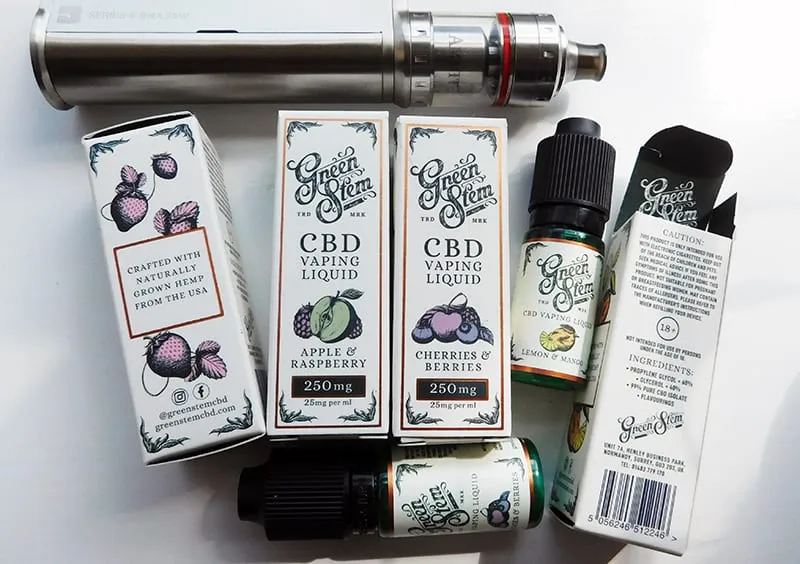
Photo: Ecig Click, CC BY-SA 2.0, via Wikimedia Commons
Loyalty in CBD is often built on a single bottle that behaved predictably. The taste was familiar, the dropper was easy to read, and the batch report matched the code on the base. Then a repurchase arrives with a thinner texture, a sharper flavour or a revised milligram figure. Reformulation is not inherently a warning sign. It does, however, mean that the evidence base you built around the previous bottle has shifted. What follows is a calm, documented reassessment protocol for UK users who want to judge the new contents on their merits rather than on the reputation of the old label.
Why a formula can move without a launch announcement
CBD products are not static. A brand may change its carrier oil because of supply, adjust potency to align with a revised serving suggestion, alter a flavour system, move to a different batch size, or respond to the evolving novel food position administered by the Food Standards Agency. Some of these changes are routine; others are more consequential. The practical issue is not that change occurs. It is whether the change is visible, traceable and supported by batch-specific evidence. A quiet reformulation becomes a problem only when the user cannot establish what has changed and why.
Before opening the new bottle, assemble the old evidence
The strongest comparison starts with a baseline. If you still have the previous bottle, photograph the label, note the batch code and keep any certificate of analysis (COA) that accompanied it. If the old bottle has been recycled, check your purchase records, any saved emails and your own dropper notes. Where no baseline exists, begin with the current bottle but record the gap honestly. A reassessment conducted without an old label is still useful, but it is a first audit rather than a comparison.
Read the label as a diff, not a description
Place the old and new labels side by side, whether physically or on screen, and work through the following fields in order. First, the carrier: has it moved from MCT to hemp seed oil, or from olive oil to a blend? Second, the cannabinoid content: compare milligrams per millilitre and milligrams per bottle, not just the headline percentage. A figure expressed as ten per cent by weight is not automatically the same as ten milligrams per millilitre, and the difference matters when you calculate a serving. Third, the suggested serving size and the dropper volume: a new dropper can change the amount delivered per squeeze even if the concentration is unchanged. Fourth, the minor cannabinoids and terpenes, where declared. Fifth, the excipients, flavourings and preservatives. Finally, the batch code and best-before date. A new batch code is expected; a batch code that does not match the COA is a question worth asking.
Re-read the batch report with the new batch in hand
A COA is only useful when it belongs to the bottle in front of you. Check that the batch number on the report matches the batch number on the label. Then review the cannabinoid profile, the contaminant screen and the laboratory details. For UK shoppers, a report issued by a UKAS-accredited laboratory, or an equivalent recognised accreditation, carries more weight than an unattributed PDF. Look at the date of analysis and whether the report covers heavy metals, pesticides, residual solvents and microbiology. If the previous COA showed a particular cannabinoid profile and the new one differs, treat that as a data point rather than an immediate fault. If no COA exists for the new batch, ask the brand directly why not. A refusal or an indefinite delay is itself informative.
Compare dropper notes rather than relying on memory
Sensory memory is unreliable. If you keep a simple ledger, record the taste, viscosity, colour and your perception of onset and duration for both the old and new bottles. Use the same time of day, the same food context and the same dropper technique where possible. Do not over-interpret a single dose. A change of carrier can alter mouthfeel and flavour without any change in cannabinoid content, and a new dropper can alter the volume delivered. The aim is to notice patterns, not to diagnose a difference from one unpleasant drop.
Questions worth putting to the brand in writing
A short, specific email is more useful than a general complaint. Ask what changed and why; request the COA for the new batch; ask whether the carrier oil, cannabinoid profile, flavouring or dropper volume has changed; ask whether the product's novel food status or labelling has been updated; and ask for the date of the change. Keep the reply. A brand that answers clearly, even when the answer is simply that a supplier changed, is easier to trust than one that deflects. The response also becomes part of your own evidence file.
A decision framework: continue, adjust or retire
Continue with the product where the label, COA and your notes are broadly consistent and the routine remains workable. Adjust where potency or dropper volume has changed: recalculate the volume you use rather than making assumptions about the old serving. Retire the product where the COA is missing, the batch does not match, the sensory change is unexplained and persistent, or the new formula simply does not fit your routine. None of these decisions requires drama. They require a record.
Keep the ledger alive
Update your notes with the new batch code, the date of purchase and a one-line verdict. Set a review date for a few weeks ahead. If you buy again, compare again. The purpose of this protocol is not to treat every reformulation as a betrayal. It is to keep a daily routine evidence-led, so that a familiar name on the bottle does not substitute for a fresh look at what is actually inside it.